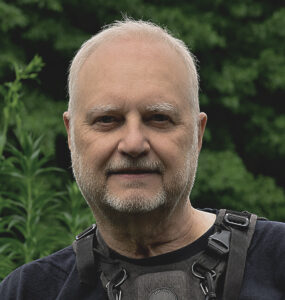
Mark Scheflen is an American photographer, videographer, visual artist, educator, and humanitarian entrepreneur whose multidisciplinary practice bridges cultural storytelling, environmental conservation, and documentary media. For over four decades, Scheflen has utilized his lenses not simply as tools for documentation, but as vehicles for cross-cultural connection, community healing, and ecological advocacy.

Roots & Vision
Raised on a working farm in the United States, Scheflen developed an early, foundational connection to the natural world that continues to anchor his artistic vision. This innate appreciation for the environment was later paired with academic training in Anthropology at the State University of New York (SUNY). His anthropological background provides the distinct cultural perspective, patience, and ethnographic sensitivity that define his intimate portraiture, filmmaking, and long-term documentary projects.

Humanitarian Leadership & Kiboko Projects
Believing that collaborative art can foster deep cross-cultural understanding and social change, Scheflen founded Kiboko Projects in 1999. Serving as Artistic Director for this international nonprofit organization, he has spent decades integrating arts education into schools, collaborating with global health initiatives, and establishing creative exchange programs that connect youth across the United States, Africa, and Russia.
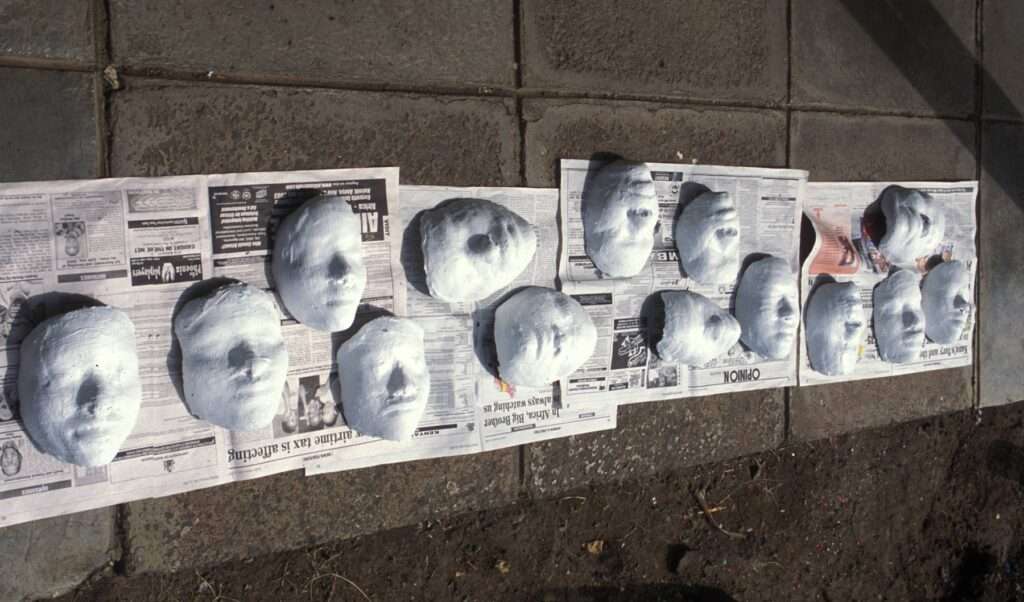
A central cornerstone of his humanitarian practice is his specialized mask-making workshops. These collaborative programs encourage participants across South Africa, Kenya, Uganda, Russia, and the United States to use photography, physical art, and creative writing to safely explore personal identity, memory, and emotional healing.

Conservation, Videography & Global Fieldwork
Scheflen’s artistic practice seamlessly spans fine art landscapes, cultural portraiture, documentary filmmaking, videography, and custom illuminated light sculptures. As an accomplished birder and natural history documentarian, his cameras regularly track the world’s most vulnerable ecosystems across multiple continents:
Africa: Spending more than forty years traveling extensively throughout the continent. His comprehensive conservation fieldwork includes living and working for extended periods in Kenya, documenting Rwanda’s critical papyrus wetlands, and extensively documenting diverse bird populations and wildlife ecosystems within South Africa and Uganda
The Americas: Documenting diverse ecosystems across the United States alongside extensive recent fieldwork in South America. This includes capturing the exceptional diversity of rare and endemic hummingbirds, tanagers, and antpittas within Colombia’s fragile Andean cloud forests, and exploring the sweeping landscapes of Chile’s Patagonia, Torres del Paine National Park, and the marine wildlife of the Strait of Magellan.

Impact
Exhibited both nationally and internationally, Scheflen’s multi-layered body of work celebrates the breathtaking diversity of the natural world while directly confronting the urgent need for environmental conservation and human empathy. Through his combined photography, videography, public education, and ongoing humanitarian initiatives, he continues to build lasting connections between diverse people, disparate cultures, and the shared environments they inhabit.